
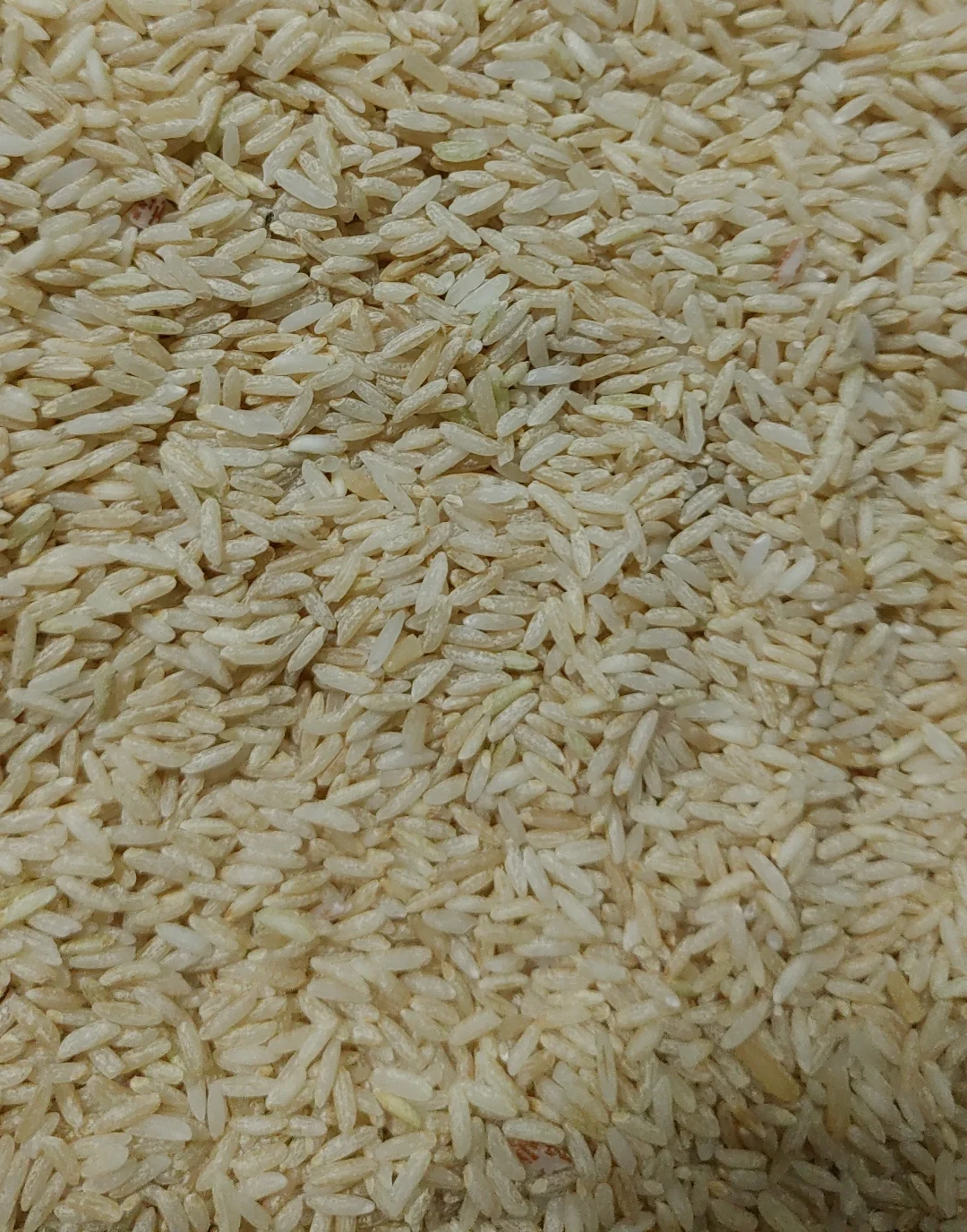


📋 Product Information
| 🌾 Variety Name | Mysore Mallige |
| ⏳ Rice Age | 1 Year |
| 🌾 Grain Type | Fine White Rice |
| 🌿 Variety | Traditional / Indigenous |
| ⏳ Crop Duration | ~130 Days |
| 🌿 Farming Type | Natural Farming |
| 🍽 Recommended Use | Daily — Highly Recommended |
| 👨👩👧 Suitable For | Everyone · Children · Desk Workers |
Mysore Mallige
మైసూర్ మల్లిక
Karnataka · Fine White Rice · Traditional Indigenous Variety
A fine, light rice variety once cultivated for the Mysore Maharajas. Rich in lysine — an essential amino acid that supports natural growth — the kind of rice your family can eat every single day, without compromise.
Lysine Rich
Light on Digestion
Growth Support
Traditional Variety
Origin & Heritage
- ›Traces its roots to the royal kitchens of Mysore — grown in the Cauvery river basin, prized for its delicate texture and light, clean taste
- ›Grown across Karnataka and Tamil Nadu for generations — one of the most trusted everyday rice varieties in traditional households
- ›Traditionally served to grooms in pre-wedding diets in Karnataka — linked to growth, masculine vitality, and strength through its rare lysine content
Especially Powerful for Growing Children
- ›Contains natural amino acids — essential building blocks your body cannot produce on its own, directly supporting bone growth, muscle development, and height in growing children
- ›Nutrient-dense — children feel fuller on smaller portions compared to commercial rice, so they eat the right amount and absorb more
- ›White rice variety — no mixing needed, can be started directly, unlike black or red rices
Health Benefits
Natural Amino Acids — The Children’s Rice
- ›Widely known in Karnataka as ‘Children’s Rice’ — traditionally given to growing children for energy, digestion, and overall development. Easy on the stomach with no heaviness after eating, it is equally suited for all ages as an everyday rice
- ›Rice protein contains essential amino acids that the body cannot produce on its own. Research published on PubMed (NIH) confirms that insufficient essential amino acids lead to retarded physical and mental development in young children
- ›A study published on PubMed (2022) demonstrated that amino acid-rich rice improved skeletal growth, muscle development, and muscle strength in feeding trials
- ›Mysore Mallige retains its complete natural amino acid profile — nutrients that are stripped away during polishing in commercial white rice. Suited for children’s growth, muscle repair, and overall development
Rich in B Vitamins, Iron & Minerals
- ›Contains Thiamine (B1), Riboflavin (B2), Niacin (B3), Iron, Calcium, Phosphorus, and Magnesium — nutrients that form the foundation of daily body metabolism
- ›Low in fat — a heart-healthy everyday rice option for the whole family. Fine-grained, easy on the stomach with no heaviness after eating
Steady Energy — Ideal for Desk Workers
- ›Complex carbohydrates for slow, steady energy release — no mid-afternoon slump or post-lunch sluggishness
- ›Research on PubMed (NIH) confirms that traditional rice landraces have higher nutritional quality than modern commercial varieties due to greater accumulation of bioactive compounds
How to Get the Most Out of Traditional Rice
One Rice Is Good. All Varieties Together Are Better.
Option 1 — Weekly Rotation
Pick 7 varieties, one for each day. By Sunday your body gets lysine, iron, calcium, antioxidants and more — full spectrum of traditional nutrition in one week.
Option 2 — Health-First Choice
Growth & vitality → Mysore Mallige. Blood health → Rakthashali. Diabetes → Navara. One targeted variety daily for focused benefit.
Option 3 — Full Rotation
Rotate through all varieties over the month — the traditional way. Families never ate just one grain. Maximum benefit from the complete range.
Simple rule: Rotate like your grandmother did — different rice, different day. Each variety fills a gap the others leave behind.
How to Cook
Always Soak First — 2 to 3 Hours
- ›Softens the grain, improves digestibility, reduces anti-nutrients, and helps your body absorb more nutrition — never skip this step
Ganji Method — Traditional Recommended
- ›Use 1 cup rice : 8 cups water. Boil and strain the excess starch water (ganji) — do not discard
- ›Store ganji in a clay pot with thin cloth cover — ferment overnight
- ›Drink next morning diluted with thin buttermilk and a pinch of rock salt
Pressure Cooker Least Recommended
- ›Use 1 cup rice : 2 cups water, cook 5 whistles (Adjust the water and cooking time according to your preference). Convenient but ganji is lost — you miss the probiotic and fermented rice water benefits
Uses & Recipes
Daily Rice Meals
Sambar rice, rasam rice, any everyday curry or dal.
Ariselu
Grind into fine flour, mix with jaggery and deep fry — traditional festival sweet.
Nuvvula Undalu
Made with Mysore Mallige flour and sesame — festive laddus that are nourishing, traditional, and great for children as a healthy snack.
Storage & Care
How to Store
Airtight container in a cool, dry place — away from moisture and direct sunlight.
Found Insects? That Is Actually Good News
- —Insects confirm your rice is completely free of chemicals and preservatives. Heavily processed rice never gets insects — because nothing living wants to go near it
- —Spread in sunlight for 2–3 hours, clean and use normally
- —Store with neem leaves or dry chillies to keep them away going forward
Please Note
- —Mysore Mallige is a traditional food product, not a medicine. Not intended to diagnose, treat, cure, or prevent any disease
- —All benefits are based on traditional food heritage and agricultural knowledge
- —Individual results will vary — please consult a qualified health professional for medical concerns
Your Everyday Rice,
Chosen by Generations Before You.
Traditional · Unpolished · Naturally Grown
| Breed type | Native (desi) |
|---|---|
| Crop Season | Kharif |
| Farming Type | Natural |
| Product Age | 6 months to 1 year |
| Rice color | white |
| Product Benefits | Easy Digestion, Children's Growth, Nutrition rich |
| suitable rice for particular recipes | Ariselu, Rice, Sesame Laddu |
Based on 0 reviews
Only logged in customers who have purchased this product may leave a review.
Related products
-

Please login to continue
-
Please login to continue
-
Please login to continue
-
Please login to continue
-
Please login to continue



There are no reviews yet.