

📋 Product Information
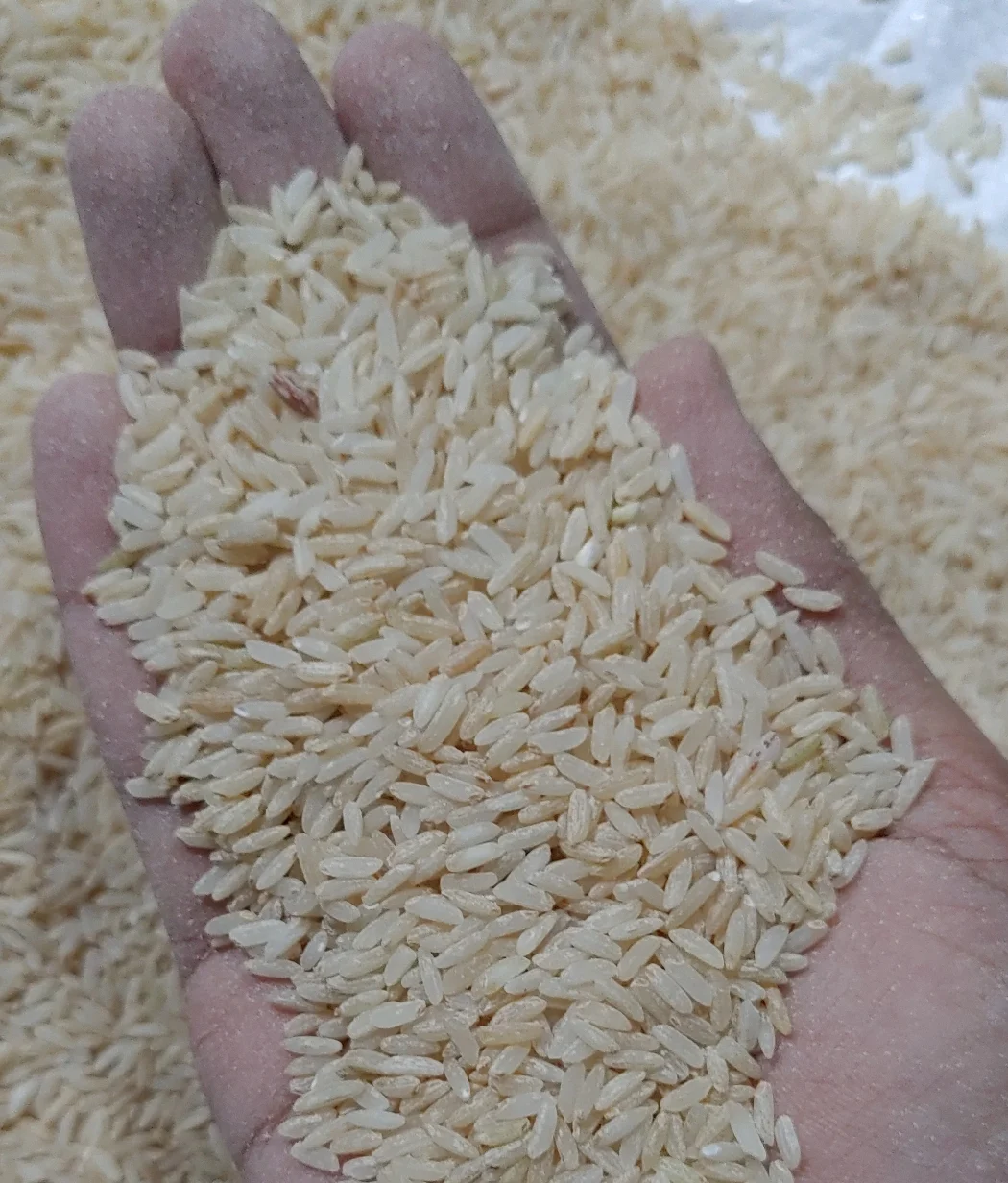
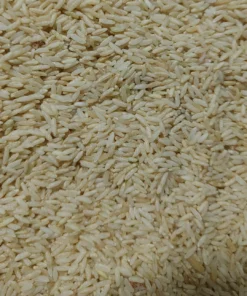
| 🌾 Grain Type | Fine White Rice |
| 🌿 Variety | Traditional / Indigenous |
| ⏳ Rice Age | 1.5 year |
| 🌦 Season | Kharif |
| ⚙️ Processing Method | Single Polish |
| ⏳ Crop Duration | ~115 Days |
| 🌿 Farming Type | Natural Farming |
| 🌾 Variety Name | Chintaluru Sannalu |
Chintaluru Sannalu
చింతలూరు సన్నాలు
Andhra Pradesh · Slender White Rice · Local Heritage Variety
Light on Digestion
Low Glycemic
Fat Free
Chemical Free
Andhra Local Variety
Product Information
| Grain Type | Slender Fine White Rice |
| Recommended Use | Daily — Every Meal |
| Suitable For | Everyone · All Ages · Daily Use |
Origin & Heritage
- ›A local heritage variety native to the Chintalooru region of Andhra Pradesh — grown and eaten here for generations before commercial rice varieties existed. Not a hybrid or commercial variety
- ›Slender fine grain similar in appearance to BPT (Sona Masuri) — but grown traditionally without chemical fertilisers, pesticides, or hybrid seed intervention
- ›A climate-resilient indigenous variety that thrives in natural farming conditions — recognised across Andhra Pradesh as a nutritious, easily digestible everyday rice suitable for all ages
The Natural Alternative to Sona Masuri — Without Giving Anything Up
- ›Sona Masuri and BPT are hybrid varieties bred for high yield — grown with heavy chemical inputs and polished in a way that strips most natural nutrition. Chintaluru Sannalu cooks, tastes, and looks almost identical, but is grown naturally, fat free, sodium free, and retains its bran layer with all nutrients intact
- ›Research published on PubMed (NIH) confirms the nutritional quality of traditional rice landraces is significantly higher than commercial varieties due to greater accumulation of bioactive compounds
- ›White rice variety — no mixing or transition period needed. Switch directly from your current rice without any adjustment
Health Benefits
Easy Digestion & Light Energy
- ›Fine slender grain — naturally easy on the stomach, suitable for elderly, children, and sensitive stomachs
- ›Provides steady energy throughout the day without heaviness after meals
Low Glycemic & Blood Sugar Friendly
- ›Low glycemic index — does not cause rapid blood sugar spikes like polished commercial rice
- ›Fat free and sodium free — safe for people managing weight or blood pressure. Low in calories compared to commercial polished varieties
Higher Nutrition Than Commercial Rice
- ›A review published on PubMed (NIH) confirms traditional rice landraces have significantly higher nutritional quality — more bioactive compounds, polyphenols, vitamins, and minerals than modern commercial varieties
- ›Unpolished grain retains the bran layer — where fibre, antioxidants, and micronutrients are concentrated
Naturally Chemical Free
- ›Grown using natural farming methods — no chemical fertilisers, pesticides, or synthetic inputs
- ›Indigenous varieties like this cannot survive chemical farming — so any farmer growing it is by necessity farming naturally
How to Cook
Soak First — 2 to 3 Hours
- ›White rice soaks in 2–3 hours — softens the grain, improves digestibility, and reduces anti-nutrients so your body absorbs more from every grain
Ganji Method — Traditional Recommended
- ›Use 1 cup rice : 8 cups water. Boil and strain the excess starch water (ganji) — do not discard
- ›Store ganji in a clay pot with thin cloth cover — ferment overnight
- ›Drink next morning diluted with thin buttermilk and a pinch of rock salt — rich in probiotics
Pressure Cooker Least Recommended
- ›Use 1 cup rice : 2 cups water, cook 5 whistles (Adjust the water and cooking time according to your preference). Convenient but ganji is lost — you miss the probiotic and fermented rice water benefits
Uses & Recipes
All Everyday Meals
- ›Sambar rice, rasam rice, dal rice, curd rice — works perfectly for all traditional Andhra meals
Biryani & Pulao
- ›Slender grain stays separate when cooked — absorbs spices and flavours beautifully. Ideal for biryani and pulao
Idli & Dosa
- ›Fine grain grinds smoothly — gives soft, light idlis and works well in dosa batter
How to Get the Most Out of Traditional Rice
One Rice Is Good. All Varieties Together Are Better.
Option 1 — Weekly Rotation
Pick 7 varieties, one for each day. Use Chintaluru Sannalu on days when you want a familiar, light, clean everyday meal.
Option 2 — Health-First Choice
Chintaluru Sannalu as your clean everyday base. Pair with a targeted variety on alternate days — Navara for diabetes, Poongar for women’s health, Indrani for Vitamin D, Kaala Batti for B12.
Option 3 — Full Rotation
Rotate through all varieties over the month — the traditional way. Families never ate just one grain. Maximum benefit from the complete range.
Simple rule: Rotate like your grandmother did — different rice, different day. Each variety fills a gap the others leave behind.
Storage & Care
How to Store
Airtight container in a cool, dry place — away from moisture and direct sunlight.
Found Insects? That Is Actually Good News
- —Insects confirm your rice is completely free of chemicals and preservatives. Heavily processed rice never gets insects — because nothing living wants to go near it
- —Spread in sunlight for 2–3 hours, clean and use normally
- —Store with neem leaves or dry chillies to keep them away going forward
Please Note
- —Chintaluru Sannalu is a traditional food product, not a medicine. Not intended to diagnose, treat, cure, or prevent any disease
- —All benefits are based on traditional food heritage and available nutritional research
- —Individual results will vary — please consult a qualified health professional for medical concerns
The Same Rice Your Andhra Kitchen Knows.
Finally Grown the Way It Should Be.
Traditional · Unpolished · Naturally Grown
| Breed type | Native (desi) |
|---|---|
| Crop Season | Kharif |
| Farming Type | Natural |
| Rice color | white |
| Product Age | 1 year 6 months to 2 years |
| Product Benefits | Easy Digestion, Diabetic, Low Fat, No Sodium |
| suitable rice for particular recipes | Daily Rice |
Based on 0 reviews
Only logged in customers who have purchased this product may leave a review.
Related products
-

Please login to continue
-
Please login to continue
-
Please login to continue
-
Please login to continue



There are no reviews yet.