

📋 Product Information
| 🌾 Variety Name | Navara |
| ⏳ Rice Age | 2 Years |
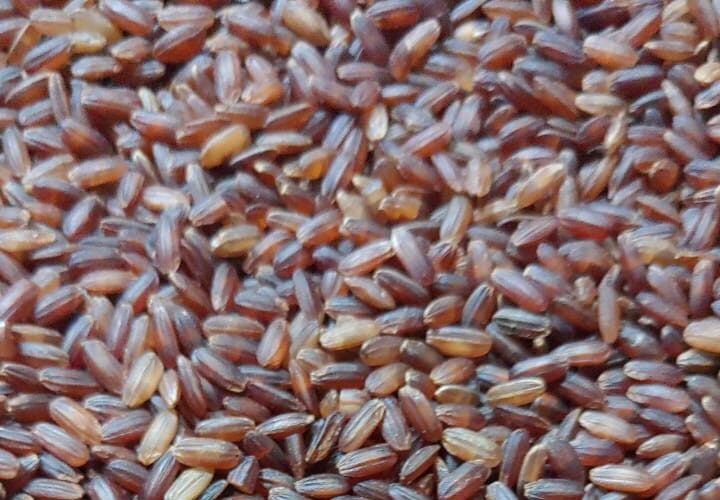
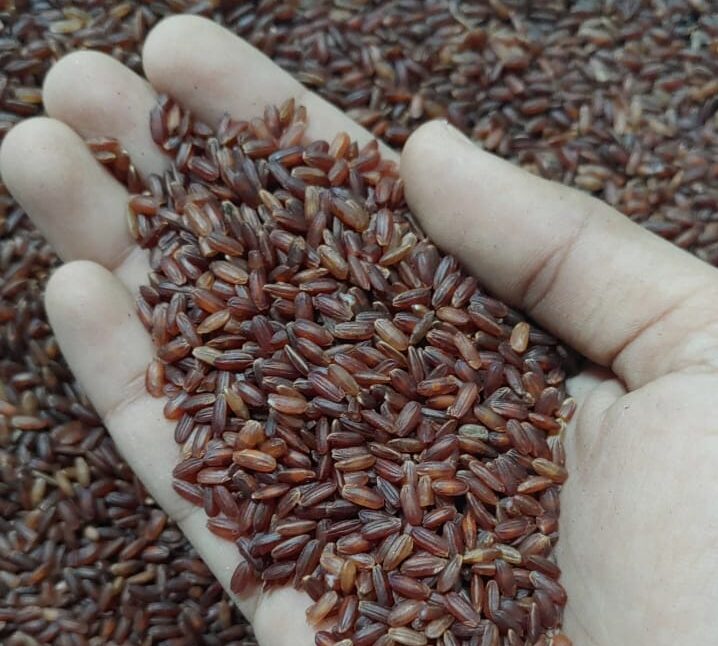
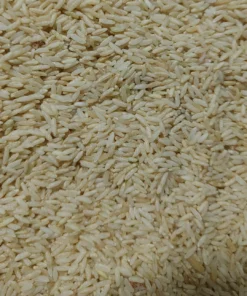
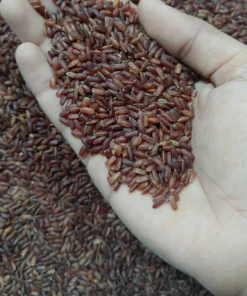
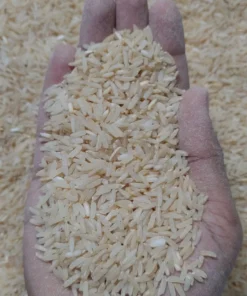
| 🌾 Grain Type | Red Rice · Short Grain |
| 📛 Other Names | Nivara · Niwara · Sarva Roga Nivarani |
| 🌿 Variety | Traditional / Indigenous |
| ⏳ Crop Duration | 100–120 Days |
| 🌦 Season | Kharif & Rabi |
| 🌿 Farming Type | Natural Farming |
| 🍽 Recommended Use | Lunch Daily — Dinner: Pair with Bahuroopi |
| 👨👩👧 Suitable For | Diabetics · Anemia · Everyone as Preventive · All Ages |
Navara
నవారా · నివారా · సర్వ రోగ నివారిణి
Kerala · Red Rice · Ayurvedic & Panchakarma Variety
Diabetes Safe
Highest Fibre
Tri-Dosha Balance
Panchakarma Grade
Temple Naivedyam
Origin & Heritage
- ›Name means Nivara — remover and destroyer of all diseases. Used in sacred Yagna rituals during the Treta Yuga
- ›Kerala’s most important medicinal rice — used in Panchakarma hospitals as both food and treatment
- ›Offered as Naivedyam at Puri Jagannatha Temple every day of the year
- ›Unique property — the grain itself (not the paddy) sprouts when soaked in water, used as Akhandha Biyyam in rituals
Health Benefits
Diabetes Control — Proven by Research
- ›A feeding trial published in the International Journal of Advanced Engineering, Management and Science (2018) monitored diabetic subjects over 90 days and found blood sugar levels decreased consistently after Navara supplementation
- ›Low glycemic index — does not spike blood sugar. Best at lunch; pair with Bahuroopi at dinner for the most effective traditional combination
- ›Eliminates weakness and lethargy in diabetics — blood sugar reduction typically reported within 40–45 days of regular use
Superior Nutrition — Confirmed by ScienceDirect
- ›A peer-reviewed study (Food Chemistry, 2007) found Navara has 16.5% higher protein, 27–32% more Thiamine, 4–25% more Riboflavin, and 34–44% higher dietary fibre than standard commercial rice varieties
- ›Significantly higher Phosphorus, Potassium, Magnesium, and Calcium compared to other varieties
- ›Relieves constipation, gas, and acidity — the high fibre content makes this one of the best digestive rices available
Antioxidant & Antiproliferative Properties
- ›Confirmed DPPH radical scavenging activity, hydroxyl radical scavenging, and elevated Vitamin E levels in supplemented subjects (2018 study)
- ›ResearchGate confirmed antiproliferative properties in C6 glioma cells — a potential source for plant-based therapeutic applications
- ›Balances all three Ayurvedic doshas (Vata, Pitta & Kapha) simultaneously — an extremely rare quality in any food
Anaemia & Iron Deficiency
- ›The same peer-reviewed study (Food Chemistry, 2007) confirms Navara has significantly higher Iron content than standard commercial rice — iron is the primary mineral required for haemoglobin production in the blood
- ›Being unpolished, the iron in Navara is in its natural form with the bran layer intact — significantly more bioavailable than the trace iron remaining in polished white rice after milling
- ›A better daily rice choice for women, growing children, and anyone prone to iron deficiency — symptoms of which include fatigue, weakness, pale skin, and poor concentration
Panchakarma & Neuromuscular Healing
- ›Njavara Kizhi — warm Navara rice applied as poultice on paralysed limbs during 48-day Panchakarma treatment for rheumatic and neuromuscular disorders — practised in Kerala for over 2,500 years
- ›Special ability to absorb Manganese and translocate it to the grain — important for nerve function, bone health, and enzyme activation
How to Cook
Soak Overnight — Minimum 10 to 12 Hours
- ›Red rice requires longer soaking than white rice — never skip this step. It reduces anti-nutrients, softens the grain, and improves absorption of nutrients
- ›First-time users: begin with 50% Navara + 50% white rice and gradually increase Navara over time to adjust to the higher fibre and distinct texture
Ganji Method — Traditional Recommended
- ›Use 1 cup rice : 8 cups water. Boil water separately, then add soaked rice (traditional esaru method)
- ›Remove the first foam (thettu) that forms — discard it, then simmer 25–30 minutes
- ›Strain the ganji — store in a clay pot with thin cloth cover, ferment overnight
- ›Drink next morning diluted with desi cow buttermilk and rock salt — this is the most medicinal step
Pressure Cooker Least Recommended
- ›Use 1 cup rice : 2 cups water, cook 5 whistles (Adjust the water and cooking time according to your preference). Convenient but you lose the ganji — missing out on probiotics, Vitamin B12, and fermented rice water benefits
Why Navara Ganji Is Special
- ›Contains Vitamin B12 after fermentation — very rare in plant-based foods
- ›Contains specific bacteria that strengthens the lungs and protects against viruses
- ›Rich in probiotics that feed your gut microbiome — the foundation of overall immunity
- ›Contains kojic acid — brightens skin naturally, reduces spots and signs of ageing
Uses & Recipes
Daily Rice & Porridge
- ›Plain rice (annam) with sambar, rasam, curries
- ›Java (porridge) — especially good for the elderly and during recovery
Idli & Dosa
- ›Excellent for idli and dosa batter — gives a slightly different colour and deeper flavour to fermented batters
Sprouts & Health Drink
- ›Soak the grain — it sprouts unlike any other rice. Dry the sprouts, grind into flour, mix with cow milk for a powerful health drink that replaces tea or coffee for children and the elderly
How to Get the Most Out of Traditional Rice
One Rice Is Good. All Varieties Together Are Better.
Option 1 — Weekly Rotation
Pick 7 varieties, one for each day of the week. Navara on days when you need deep nourishment or are managing a health condition.
Option 2 — Health-First Choice
Diabetes, digestion, joint pain, or paralysis recovery → Navara as your primary rice. For Vitamin D → Indrani. Blood health → Rakthashali. Growth → Mysore Mallige.
Option 3 — Full Rotation
Rotate through all available varieties over the month — the traditional way. Families never ate just one grain. Maximum benefit from the complete range.
Simple rule: Rotate like your grandmother did — different rice, different day. Each variety fills a gap the others leave behind.
Storage & Care
How to Store
Airtight container in a cool, dry place — away from moisture and direct sunlight.
Found Insects? That Is Actually Good News
- —Insects confirm your rice is completely free of chemicals and preservatives. Heavily processed rice never gets insects — because nothing living wants to go near it
- —Spread in sunlight for 2–3 hours, clean and use normally
- —Store with neem leaves or dry chillies to keep them away going forward
Please Note
- —Navara is a traditional food product, not a medicine. Not intended to diagnose, treat, cure, or prevent any disease
- —All benefits are based on traditional Ayurvedic, Siddha, and agricultural heritage knowledge
- —Individual results will vary — please consult a qualified health professional for medical concerns
The Rice That Ancient India Called
The Destroyer of All Diseases.
Traditional · Unpolished · Naturally Grown
| Weight | 1 kg |
|---|---|
| Dimensions | 30 × 18 × 3 cm |
| Breed type | Native (desi) |
| Farming Type | Natural |
| Product Age | 2 years |
| Product Benefits | Anemia, Diabetic |
| Rice Variety | Navara |
| Rice color | Red |
Based on 0 reviews
Only logged in customers who have purchased this product may leave a review.
Related products
-

Please login to continue
-
Please login to continue
-
Please login to continue
-
Please login to continue


There are no reviews yet.