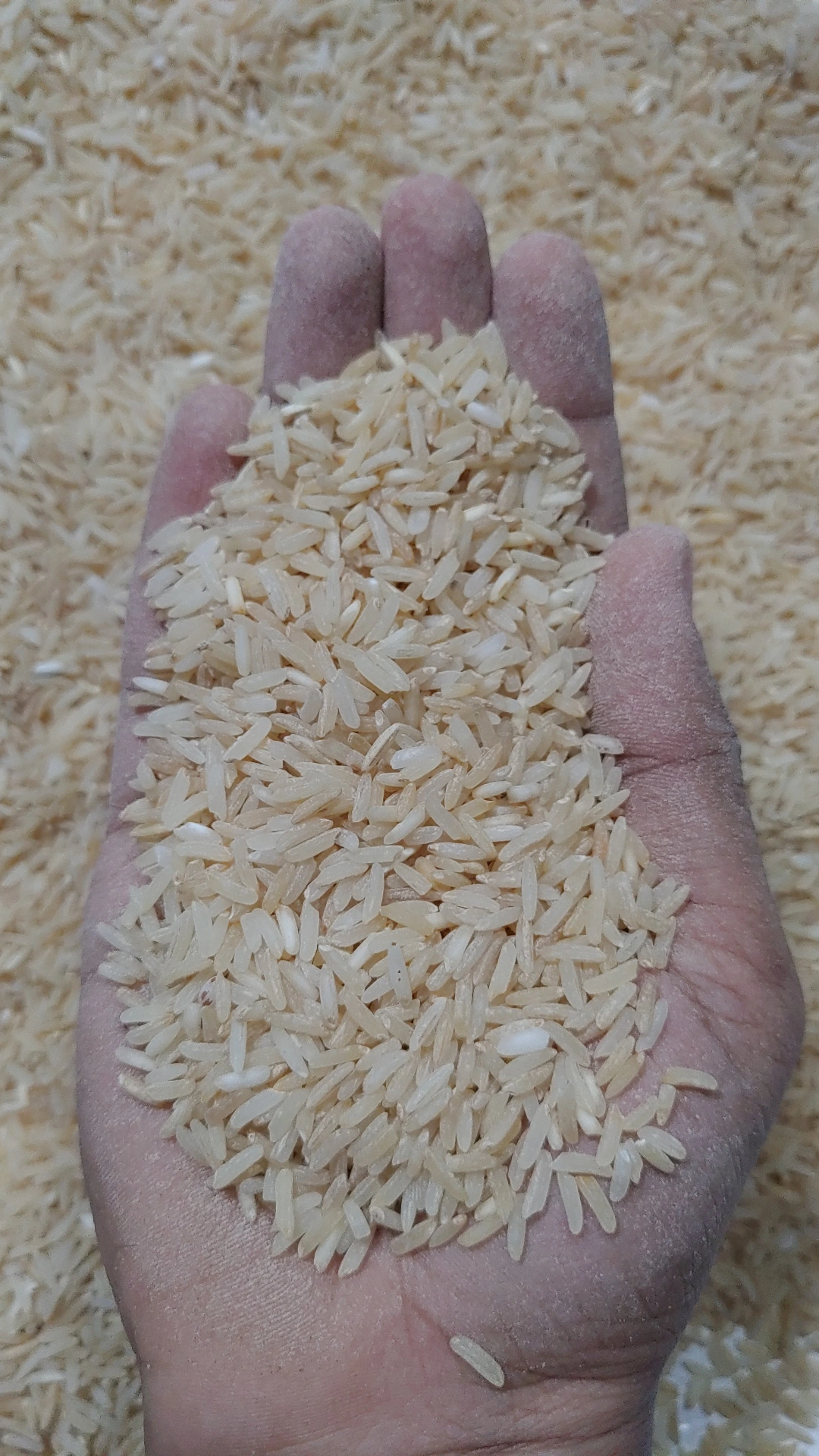


Indrani
ఇంద్రాణి
Maharashtra · Aromatic White Rice · The Vitamin D Rice
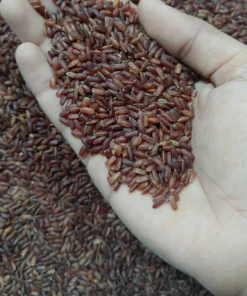
One of the rarest rice varieties in India that provides Vitamin D through food — a nutrient most people can only get from sunlight. Aromatic, light, and deeply nourishing, this is the rice for growing children and ageing bones alike.
Aromatic Variety
Bone Health
Children & Elderly
Temple Prasadam Grade
“When this rice cooks, the aroma spreads 100 metres. Temples have known this for centuries.”
Traditional Food Heritage — Maharashtra & Konkan Region
Product Information
| Grain Type | Aromatic White Rice |
| PRODUCT aGE | 1.5 year |
| Variety | Traditional / Indigenous |
| Also Known As | Indrayani · Indrayan |
| Recommended Use | 1–2 Times Per Week |
| Origin | Pune / Konkan, Maharashtra |
| Suitable For | Children · Elderly · Vitamin D Deficient |
Origin & Heritage
The Rice That Brings Vitamin D to Your Plate
- ›From the Pune and Konkan belt of Maharashtra — beloved in western India for generations
- ›Personally recommended by Subhash Palekar — Padma Shri awardee and pioneer of zero budget natural farming
- ›Used extensively as prasadam at Sabarimala and major temples — chosen for its divine fragrance
- ›A comprehensive review published on ScienceDirect (2022) confirms traditional varieties like Indrani contain oryzanol — a molecule that reduces fat production in the body — and are low in fat, sugar, and gluten, making them beneficial for diabetics and those managing blood pressure
- ›Called the “Vitamin D Rice” — one of the only food sources of Vitamin D beyond sunlight
At a Glance
Especially Important for Children & the Elderly
- ›Vitamin D is essential for calcium absorption — without it, even calcium-rich food goes to waste. Indrani is one of the only food sources of Vitamin D in existence
- ›For growing children — supports bone density, height development, and strong teeth during the critical growing years
- ›For the elderly — directly counters osteoporosis and bone weakness that comes with age
- ›White rice variety — no mixing or gradual introduction needed, can be started directly
Health Benefits
Vitamin D & Full Nutrient Profile
- ›A comprehensive review of traditional rice varieties published on ScienceDirect (2022) confirms that traditional varieties like Indrani are rich in Vitamin D, Calcium, Thiamine, Riboflavin, and high in fibre — nutrients largely absent in polished commercial rice
- ›Vitamin D is consistently reported in Indrani by nutritionists, organic farmers, and heritage rice communities across Maharashtra — making it one of the very few food sources of this nutrient beyond sunlight
- ›Also contains Niacin, Iron, Calcium, Fibre, Thiamine (B1), Riboflavin (B2), Zinc, and Manganese — an unusually complete mineral and vitamin profile for a rice variety
Bone Strength, Blood Pressure & Metabolism
- ›High calcium content supports bone density — helps prevent and manage osteoporosis in the elderly
- ›Low glycemic index — stabilises blood sugar levels and supports healthy blood pressure management
- ›Boosts metabolism, aids digestion, and supports immune system function through its rich mineral content
Children’s Bone Growth & Height
- ›Vitamin D + Calcium + Zinc combination — the exact nutrients needed for strong bones, teeth, and height development during growing years
- ›Slightly sticky when cooked — soft texture makes it especially easy for children and elderly to eat and digest
- ›Natural aroma makes it enjoyable and appealing to children without any persuasion
Aromatic Healing & Gut Health
- ›Fragrance spreads up to 100 metres when cooking — used at Sabarimala and major temples as prasadam for its divine aroma
- ›High fibre supports gut health, reduces cholesterol levels, and lowers risk of heart disease
- ›Slows down the ageing process through its antioxidant content — Vitamin E and other bioactive compounds protect cells from damage
How to Get the Most Out of Traditional Rice
One Rice Is Good. All Varieties Together Are Better.
Option 1 — Weekly Rotation
- ›Pick 7 varieties, one for each day of the week
- ›Include Indrani 1–2 days for Vitamin D and calcium
- ›Full spectrum of traditional nutrition in one week
Option 2 — Health-First Choice
- ›Vitamin D or bone issues? Indrani is your pick
- ›Navara for diabetes, Rakthashali for blood health, Mysore Mallige for growth
- ›One targeted variety for focused benefit
Option 3 — All Varieties
- ›Rotate through all available varieties over the month
- ›The traditional way — families never ate just one grain
- ›Maximum benefit from the complete range
Simple rule: Rotate like your grandmother did — different rice, different day. Each variety fills a gap the others leave behind. Together, they work like a complete traditional diet.
How to Cook
Always Soak First — 6 Hours
- ›Softens the grain and improves digestibility
- ›Helps the aroma fully develop during cooking
- ›Reduces anti-nutrients so your body absorbs more goodness from every grain
Ganji Method — Traditional Recommended
- ›Use 1 cup rice : 8 cups water
- ›Boil and strain the excess starch water (ganji) — do not discard
- ›Store ganji in a clay pot with thin cloth cover — ferment overnight
- ›Drink next morning diluted with thin buttermilk and a pinch of rock salt
Pressure Cooker Least Recommended
- ›Use 1 cup rice : 2 cups water
- ›Cook for 5 whistles (Adjust the water and cooking time according to your preference) — do not overcook, grain is delicate
- ›Convenient but ganji is lost — you miss the probiotic and fermented rice water benefits
Uses & Recipes
Payasam
- ›Ideal for sweet payasam — aroma is exceptional
- ›Favourite for festivals and special occasions
Pongal
- ›Sweet or savoury pongal — the stickiness holds beautifully
- ›Traditional breakfast dish
Prasadam & Special Rice
- ›Temple-grade prasadam rice
- ›Special occasion plain rice — 1–2 times a week
Who Is It For
Growing Children
- ›Vitamin D + Calcium for strong bones and height
- ›Best given 1–2 times a week
- ›Aroma makes it a favourite with kids
Elderly
- ›Fights osteoporosis and bone weakness
- ›Supports joint and skeletal health with age
- ›Easy to digest — gentle on the stomach
Vitamin D Deficient
- ›Rarely get sun exposure? This is for you
- ›Adds food-based Vitamin D to your diet naturally
- ›No supplements needed — just traditional food
Storage & Care
How to Store
- —Airtight container, cool and dry place
- —Away from moisture and direct sunlight
Found Insects? That Is Actually Good News
- —Insects are attracted only to real, natural food — they confirm your rice is completely free from chemicals, coatings, and preservatives
- —Heavily processed or chemically treated rice never gets insects — because nothing living wants to go near it
- —Simply spread in sunlight for 2–3 hours, clean and use as normal
- —Store with neem leaves or dry chillies to keep them away going forward
Please Note
- —Indrani is a traditional food product, not a medicine
- —Not intended to diagnose, treat, cure, or prevent any disease
- —All benefits are based on traditional food heritage and agricultural knowledge
- —Individual results will vary — please consult a qualified health professional for medical concerns
Where Fragrance Meets Nourishment —
The Rice That Temples Trust.
Traditional · Unpolished · Naturally Grown
| Breed type | Native (desi) |
|---|---|
| Farming Type | Natural |
| Product Age | 1 Year to 1 year 6 months |
| Product Benefits | Vitamin D and Calcium |
| suitable rice for particular recipes | Payasam, Pongal |
| Rice color | white |
Based on 0 reviews
Only logged in customers who have purchased this product may leave a review.
Related products
-

Please login to continue
-
Please login to continue
-
Please login to continue
-
Please login to continue



There are no reviews yet.