


Bahuroopi
బహురూపి · Bahurupi · India’s Multi-Vitamin Rice
Odisha & Andhra Pradesh · White Rice · 3,000 Years of Heritage · Royal Vijayanagara Variety
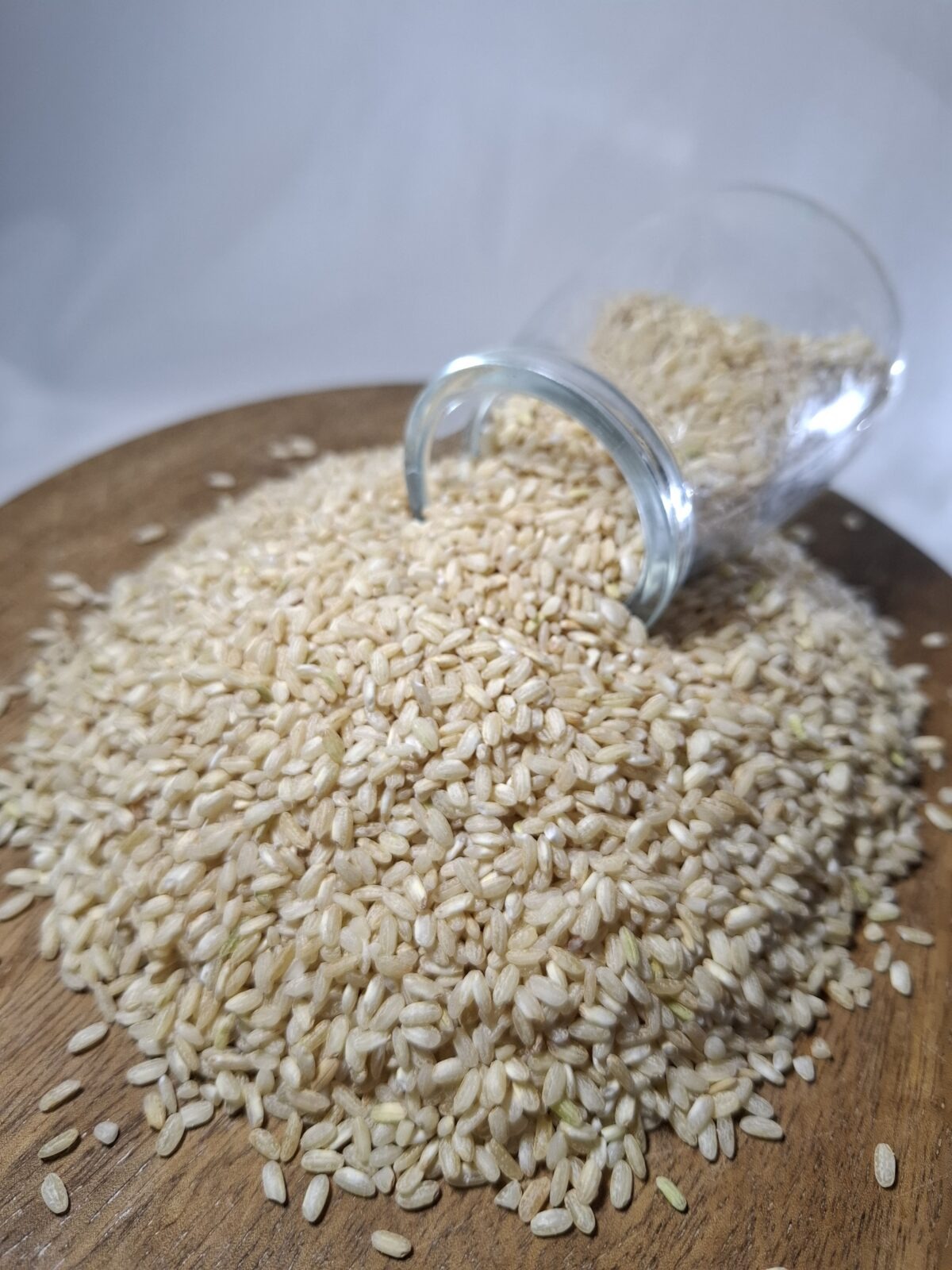
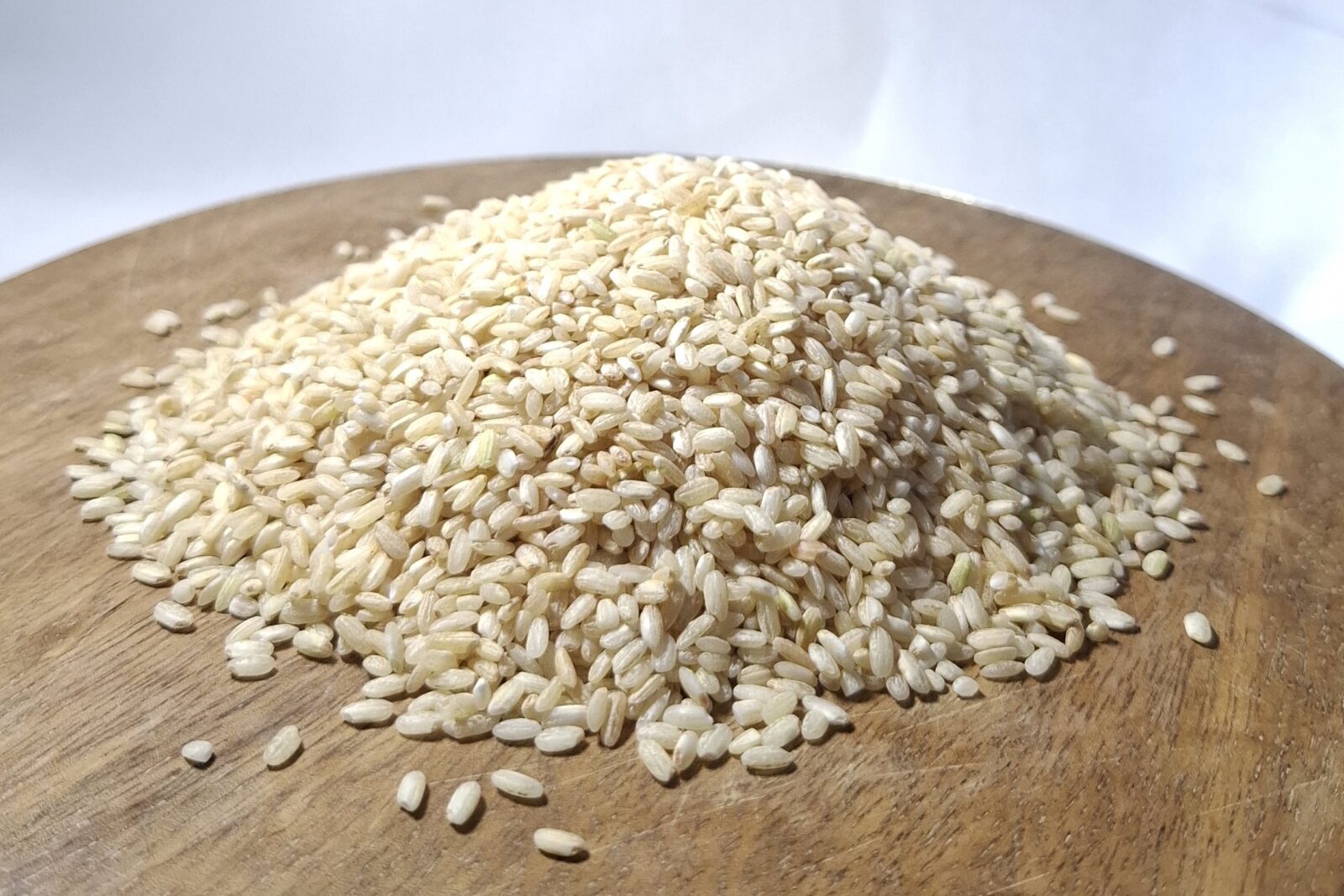
Bahuroopi means a grain of many forms — named for its extraordinary nutritional range that covers vitamins, minerals, protein, and fibre all in one grain. Preferred by the Vijayanagara Emperor Sri Krishna Devaraya in the 15th century. Today it is known as India’s Multi-Vitamin Rice — and as the traditional dinner rice for diabetics when paired with Navara at lunch.
Diabetes Dinner Pairing
Immune Booster
Joint & Bone Health
Heart Health
Royal Heritage
“One bowl of Bahuroopi is like one tablet of multivitamins — but grown in a paddy field, not manufactured in a factory. Your grandmother knew this. She just did not need a label to say so.”
3,000 Years of Heritage · Vijayanagara Empire · Odisha & Andhra Pradesh
Product Information
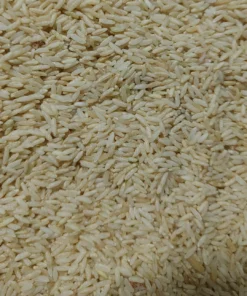
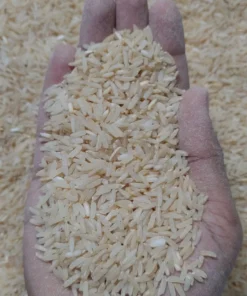
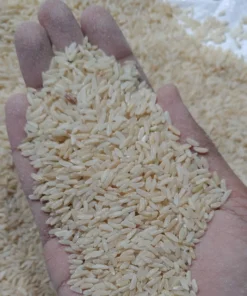
| Grain Type | White Rice · Slightly Wider Grain |
| Other Names | Bahurupi · Multi-Vitamin Rice · Bahuroopi |
| Recommended Use | Daily · Dinner for Diabetics (paired with Navara at Lunch) |
| Origin | Odisha & West Bengal · Also Andhra Pradesh |
| Heritage | 3,000 Years · Vijayanagara Emperor Sri Krishna Devaraya |
| Suitable For | Everyone · Diabetics · Joint Pain · All Ages · Fiber Rich · Calcium Rich |
Origin & Heritage
India’s Multi-Vitamin Rice — 3,000 Years Old and Still Unmatched
- ›Cultivated for over 3,000 years — most preferred in Odisha and West Bengal, and also grown across Andhra Pradesh under natural farming conditions
- ›Favoured by Vijayanagara Emperor Sri Krishna Devaraya in the 15th century — chosen from all available rice varieties for its exceptional energy-boosting properties and nutritional depth
- ›Mentioned in a Frontiers in Agronomy (2026) peer-reviewed study on traditional rice landraces alongside Navara, Mysore Mallige, and Kaala Batti — confirming its place among India’s most nutritionally significant traditional varieties
- ›Name means a grain of many forms in Sanskrit — named for its remarkable ability to provide a wide range of nutrients across vitamins, minerals, protein, and fibre simultaneously in a single grain
At a Glance
The Traditional Diabetes Combination — Navara + Bahuroopi
- ›The most effective traditional rice pairing for managing diabetes — Navara for lunch, Bahuroopi for dinner. This combination ensures blood sugar control throughout the day without making the person feel weak or deprived
- ›Navara is low glycemic and high fibre, controlling blood sugar at lunch. Bahuroopi is low in glucose and low in calories, providing the sustained energy needed for evening and overnight without spiking blood sugar
- ›Together they eliminate the weakness and lethargy that diabetics commonly feel when switching to stricter diets — by providing complete nutrition across both meals
- ›White rice variety — no mixing with other rice needed, can be started immediately without any transition period
Health Benefits
Complete Nutrition — Why It Is Called Multi-Vitamin Rice
- ›Consistently documented across heritage rice sellers and Ayurvedic practitioners as being rich in Protein, Dietary Fibre, Calcium, Iron, Zinc, and B-Complex Vitamins (B1, B2, B3) — an unusually wide nutritional range for a single rice variety, earning it the name Multi-Vitamin Rice
- ›The FAO International Rice Commission confirms unpolished traditional rice supplies nutritionally significant amounts of Thiamine, Riboflavin, Niacin, and Zinc. A ScienceDirect (2022) review confirms traditional unpolished varieties retain significantly higher B vitamins, calcium, and minerals than polished commercial rice — Bahuroopi, being an unpolished traditional variety, naturally carries these benefits
- ›Naturally very low in fat and sodium as confirmed by FAO rice composition data — one bowl provides a broad spectrum of daily micronutrient needs naturally through food rather than supplements
Immunity, Energy & Blood Health
- ›Zinc, Iron, and B-Complex vitamins work together to strengthen the immune system — your body’s natural defence against illness and infection
- ›Iron supports healthy blood formation — traditionally used in Ayurveda for anaemia and blood weakness
- ›Low in glucose — provides steady, clean energy throughout the evening and overnight without blood sugar spikes
Heart Health & Cholesterol — Ayurvedic & Heritage Evidence
- ›Heritage rice sellers and Ayurvedic practitioners consistently document Bahuroopi’s ability to reduce cholesterol levels and support cardiovascular health through regular consumption
- ›Gluten free — suitable for people with gluten sensitivity or coeliac disease
- ›High dietary fibre supports gut health and reduces the absorption of dietary cholesterol in the digestive tract
Joint, Bone & Ayurvedic Conditions
- ›Calcium and Zinc support bone density and joint health — traditionally valued in ancestral diets for alleviating joint discomfort and knee pain
- ›Used in Ayurveda for treating rheumatism, bile disorders, phlegm disorders, and anaemia — documented across traditional practitioners in Odisha and West Bengal
- ›Light on the stomach despite its wide nutritional range — easy to digest and suitable for elderly and those recovering from illness
How to Get the Most Out of Traditional Rice
One Rice Is Good. All Varieties Together Are Better.
Option 1 — Weekly Rotation
- ›Pick 7 varieties, one for each day of the week
- ›Use Bahuroopi for daily dinner — especially alongside Navara at lunch for diabetics
- ›Full spectrum of traditional nutrition across the week
Option 2 — Health-First Choice
- ›Diabetes at dinner, immunity, joint pain, or cholesterol? Bahuroopi is your pick
- ›Navara for lunch (diabetes), Rakthashali for blood health, Poongar for women’s health, Indrani for Vitamin D
- ›One targeted variety for focused benefit
Option 3 — All Varieties
- ›Rotate through all available varieties over the month
- ›The traditional way — families never ate just one grain
- ›Maximum benefit from the complete range
Simple rule: Rotate like your grandmother did — different rice, different day. Each variety fills a gap the others leave behind. Together, they work like a complete traditional diet.
How to Cook
Soak First — 2 to 3 Hours
- ›White rice variety — 2–3 hours soaking is sufficient to soften the grain
- ›Reduces anti-nutrients so your body absorbs more nutrition from every grain
- ›Improves digestibility — never skip this step
Ganji Method — Traditional Recommended
- ›Use 1 cup rice : 8 cups water
- ›Boil and strain the excess starch water (ganji) — do not discard
- ›Store ganji in a clay pot with thin cloth cover — ferment overnight
- ›Drink next morning diluted with thin buttermilk and a pinch of rock salt
Pressure Cooker Least Recommended
- ›Use 1 cup rice : 3–4 cups water, cook 2–3 whistles
- ›Convenient but ganji is lost — you miss the probiotic and fermented rice water benefits
Uses & Recipes
Daily Rice Meals
- ›Sambar, rasam, dal, curries — smoky, nutty flavour elevates everyday meals
- ›Especially well-suited for dinner — light energy, clean digestion, no heaviness overnight
Idli & Dosa
- ›Works well in idli and dosa batter — distinct nutty flavour comes through beautifully in fermented batters
- ›Slightly wider grain grinds well and gives soft, light idlis
Porridge & Upma
- ›Rice porridge (ganji) — ideal for elderly and those recovering from illness
- ›Grind into rawa for upma — earthy, comforting flavour
Who Is It For
Diabetics — Dinner Pairing
- ›Navara for lunch + Bahuroopi for dinner — the complete traditional diabetes combination
- ›Low in glucose — clean, sustained energy overnight without blood sugar spikes
Joint Pain & Bone Health
- ›Calcium and Zinc support bone density and help alleviate joint discomfort
- ›Traditionally valued for rheumatism in Ayurvedic diet protocols
The Whole Family
- ›Fat free, sodium free, gluten free — suitable for all ages from children to elderly
- ›White rice — no mixing needed, can replace your current dinner rice immediately
Storage & Care
How to Store
- —Airtight container, cool and dry place
- —Away from moisture and direct sunlight
Found Insects? That Is Actually Good News
- —Insects are attracted only to real, natural food — they confirm your rice is completely free from chemicals, coatings, and preservatives
- —Heavily processed or chemically treated rice never gets insects — because nothing living wants to go near it
- —Spread in sunlight for no more than 1 hour, then clean and use as normal — brief exposure drives out insects without harming the grain; longer exposure can dry and break the rice
- —Store with neem leaves or dry chillies to keep them away going forward
Please Note
- —Bahuroopi is a traditional food product, not a medicine
- —Not intended to diagnose, treat, cure, or prevent any disease
- —All benefits are based on traditional Ayurvedic food heritage and available nutritional knowledge
- —Individual results will vary — please consult a qualified health professional for medical concerns
Chosen by an Emperor. Eaten for 3,000 Years.
One Bowl. Every Vitamin Your Body Needs.
Traditional · Naturally Grown
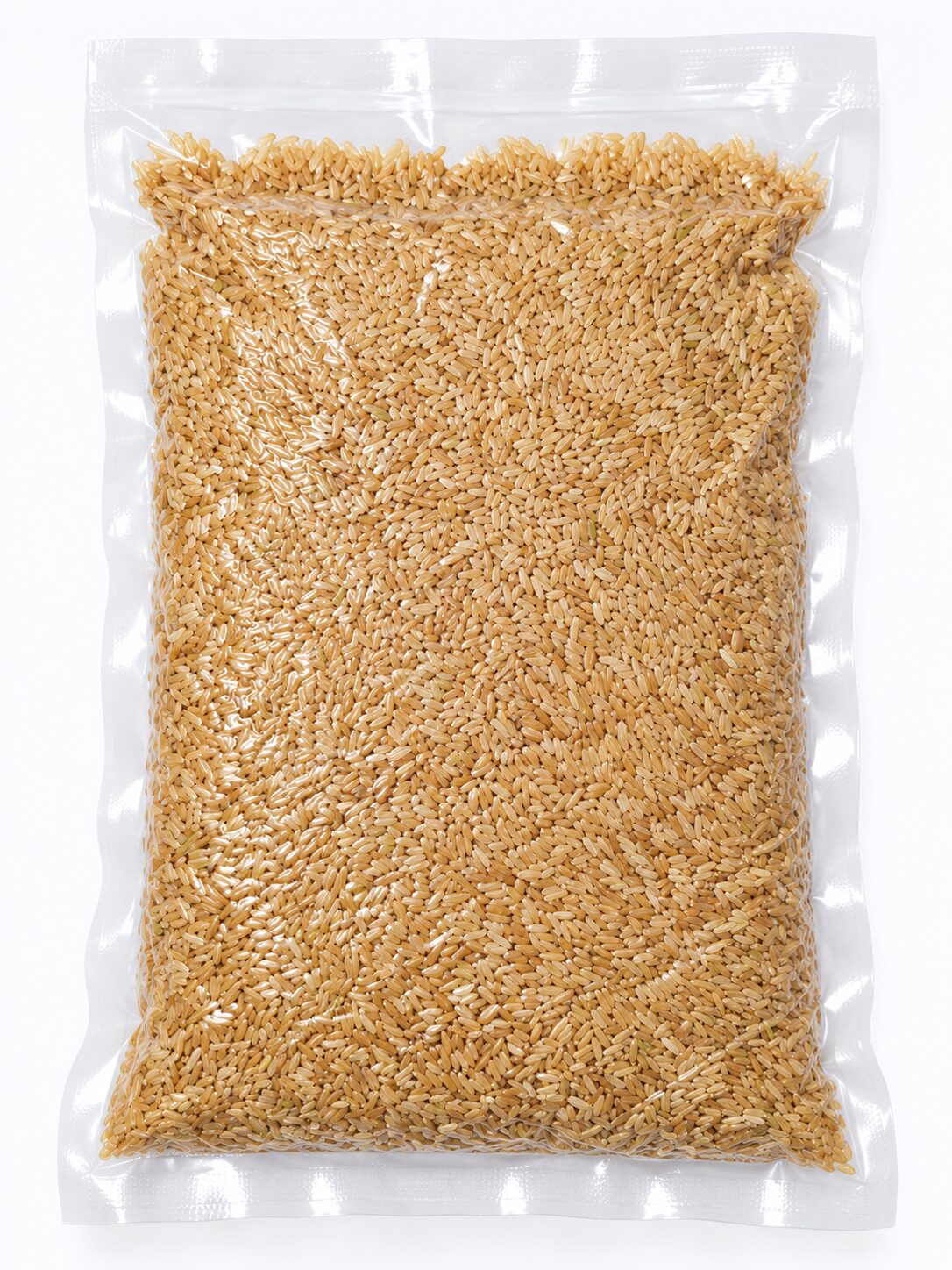
| Weight | 1 kg |
|---|---|
| Dimensions | 30 × 18 × 3 cm |
| Breed type | Native (desi) |
| Color | White |
| Crop Season | Kharif |
| Farming Type | Natural |
| Product Age | 1 Year to 1 year 6 months |
| Product Benefits | Calcium rich, Diabetic, Fiber rich, Joint & Bone Support, Multi-vitamin |
| suitable rice for particular recipes | Daily Rice, Dosa, Idly, Upma |
Based on 0 reviews
Only logged in customers who have purchased this product may leave a review.
Related products
-

Please login to continue
-
Please login to continue
-
Please login to continue


There are no reviews yet.