Out of stock
₹160.00 ₹250.00
Out of stock
Kullakar Rice
About Kullakar
Kullakar (also spelled Kullakkar or Kullankar; Tamil: குள்ளக்கார்) is a traditional red rice variety from Tamil Nadu. The name is commonly linked to the short stature of the plant. It is a short-duration crop, maturing in roughly 90 to 105 days, and is known among farmers for coping well with dry conditions and pests.
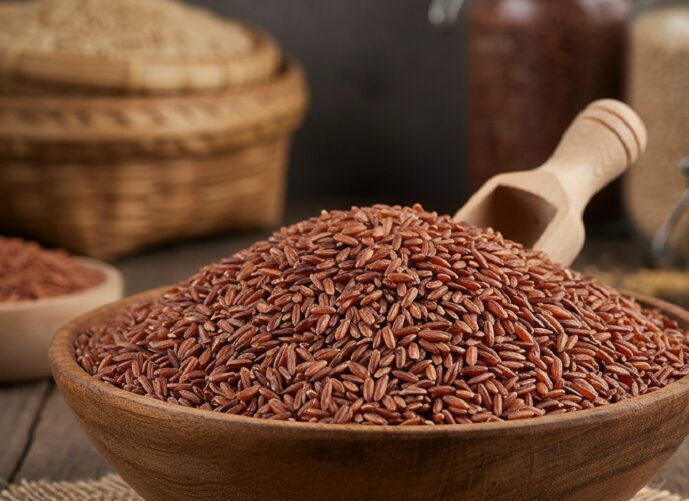
The grain is a long, bold red kernel with the bran left on. Because it is unpolished, it keeps the reddish pericarp and cooks into a firm, slightly chewy rice with a rustic, nutty character quite unlike polished white rice.
At a Glance
| Variety | Kullakar (Kullakkar / Kullankar) |
| Origin | Tamil Nadu, India |
| Type | Unpolished red rice |
| Grain | Long, bold, reddish-brown kernel |
| Crop duration | About 90 to 105 days |
| Texture when cooked | Firm, slightly chewy, separate grains |
| Best for | Everyday meals, idli and dosa batter, puttu, porridge |
What Research Says
Kullakar has been studied alongside other traditional Tamil Nadu varieties. The findings below are limited to what published work and agricultural university sources report.
- › A comparison of twelve traditional Tamil Nadu varieties in the Madras Agricultural Journal recorded the longest kernel in Kullakar (6.3 mm) and the highest zinc content among the varieties tested.
- › Tamil Nadu Agricultural University’s indigenous knowledge listing describes Kullakar as higher in zinc and iron than white rice, and rich in fibre.
- › Like other pigmented rice, red rice carries bran-layer compounds that are absent from polished white rice. Nutrient values vary with soil, season and milling.
Uses
In the kitchen
- › Steamed rice with sambar, rasam or kuzhambu
- › Fermented batter for idli and dosa
- › Puttu
- › Porridge and kanji
Nutrition
- › Whole-grain red rice, rich in fibre
- › Contains iron and zinc, more than polished white rice
- › Iron is an essential nutrient during pregnancy
Traditional uses
- › Eaten by pregnant women in farming communities, who say it helps towards a normal delivery
- › Traditionally attributed with supporting healthy cholesterol and blood sugar levels
How to Cook
Prepare (for every method): Rinse two or three times. Soak for at least one to two hours; longer soaking gives a softer grain and shorter cooking time.
1. Ganji method (recommended)
- › Bring plenty of water to a rolling boil in an open vessel.
- › Add the soaked rice and cook uncovered on medium heat until the grains are tender with a slight bite, usually 30 to 40 minutes.
- › Drain the water (ganji). The rice is light, with separate grains. The ganji can be drunk warm with a pinch of salt, as is traditional.
2. Open pot, measured water
- › Use about 1 part soaked rice to 3 parts water. Cover and simmer on low heat until the water is absorbed, then rest covered for 10 minutes.
3. Pressure cooker
- › Use about 1 part soaked rice to 2.5 parts water and cook for 4 to 5 whistles. Let the pressure release naturally.
Water ratios and times are a guide. Grain age and soaking time change them, so adjust to your preference after your first batch.
Storage and Care
- › Store in an airtight container in a cool, dry place away from direct sunlight.
- › Unpolished, unfumigated rice can attract grain insects over time. Spotting one is a sign the rice has not been treated with chemicals.
- › If insects appear, spread the rice in sun for no more than one hour, then sift. Longer sun exposure makes the grains brittle and causes breakage.
| Product Benefits | Helps in Normal Delivery, Iron rich |
|---|
Based on 0 reviews
Only logged in customers who have purchased this product may leave a review.

There are no reviews yet.